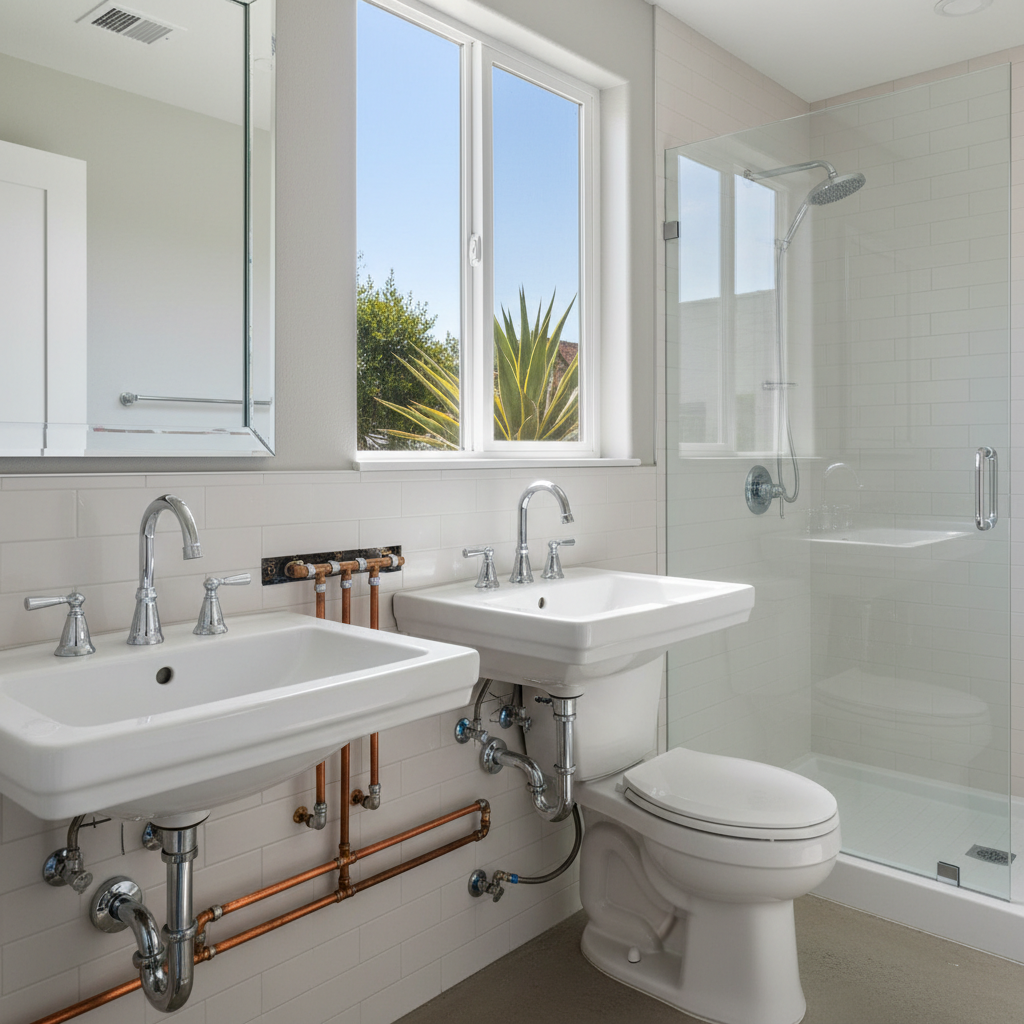
So, you've got a plumbing problem. Maybe it's a leaky faucet, or perhaps you're planning a big renovation that means moving pipes around. Either way, it's a pretty big deal. If you don't handle it right, you could end up with a much bigger mess and a lighter wallet than you ever imagined. Believe me, I've seen it all over the years — from small leaks turning into massive water damage to whole remodels that had to be ripped out because the plumbing wasn't done correctly the first time. Here in Pasadena, especially with some of our older homes in spots like Bungalow Heaven or the Highlands, you really can't afford to cut corners or just assume everything will be fine.
Mistake #1: Not Getting Enough Specifics in the Bid
This one's huge. Homeowners often just ask for a quote for "new plumbing" or "fix the leak." But what does that actually cover? A good contractor will tell you exactly what they're doing. Are they just replacing the pipe you can see, or are they tracking the problem back to its origin? What kind of materials are they using — copper, PEX, PVC? Do permits come with that? What about patching up walls after the job? If a bid is just one line item with a price, that's a red flag, isn't it? You need a detailed scope of work so you can compare apples to apples when you're talking to different plumbers. Otherwise, you're just guessing, and that's how those surprise extra charges pop up later.
Mistake #2: Ignoring the Permit Process
I know, permits are a pain. They take time, they cost money, and they involve inspections. But skipping them? That's a mistake that can really cost you. For any significant plumbing work, like rerouting drain lines or replacing a water heater, the City of Pasadena usually requires a permit. If you don't get one, and the work gets discovered later (maybe when you sell your house, or if there's a problem), you could be forced to tear out perfectly good work, pay fines, and then get it permitted and re-inspected. A reputable plumber will always bring up permits and include them in their plan. If they tell you, "Oh, we don't need a permit for that," for a job that clearly should have one, walk away. Seriously, just go.
Mistake #3: Picking the Cheapest Bid Without Questioning Why
Everyone wants to save a buck, I totally get it. But plumbing isn't the place to chase the absolute rock-bottom price without understanding *why* it's so cheap. Sometimes, a lower bid means they're cutting corners on materials, skipping permits, or they might not even be licensed and insured. Other times, it means they're underestimating the job, and you'll get hit with change orders left and right. Ask questions! If one bid is way lower than the others, ask them to explain. What are they doing differently? What's not included? You're not just paying for someone to turn a wrench; you're paying for their expertise, their license, their insurance, and their promise that the work will be done right and to code. At Majestic Bathroom & Kitchen, we've seen the aftermath of cheap plumbing jobs, and believe me, fixing someone else's mess is always more expensive than doing it right the first time.
Mistake #4: Not Checking References and Licensing
This seems obvious, but you'd be surprised how many people skip it. Anyone can claim to be a plumber. But are they licensed by the CSLB (Contractors State License Board)? Do they carry insurance? What do their past clients say about them? A quick check on the CSLB website can tell you if their license is active and if there are any disciplinary actions against them. Ask for references and actually call them. Ask about communication, how timely they were, and if the work held up. You're letting someone into your home and trusting them with a critical system; a few minutes of research can save you a lot of grief.
Mistake #5: Not Understanding the Warranty
What happens if a pipe they installed starts leaking a month later? Or six months? A good plumbing contractor will stand behind their work. Make sure you understand what their warranty covers — both for labor and for materials. Get it in writing. This protects you if something goes wrong after they've packed up their tools and left. Don't assume anything. If they don't offer a warranty, or it's vague, that's another sign you might be dealing with someone who isn't confident in their own work.
Look, plumbing isn't exactly glamorous, but it's absolutely essential. Taking a little extra time upfront to vet your contractor and understand the scope of work can save you a ton of stress, money, and potential damage down the line. Don't learn these lessons the hard way.